
Diving into the world of industrial roofing systems pricing, this introduction aims to provide a detailed and insightful look into the factors that influence costs, the types of roofing systems available, the installation process, and maintenance and repair considerations.
This guide will equip readers with valuable knowledge on industrial roofing systems pricing, presented in a manner that is both informative and engaging.
Factors Affecting Industrial Roofing Systems Pricing
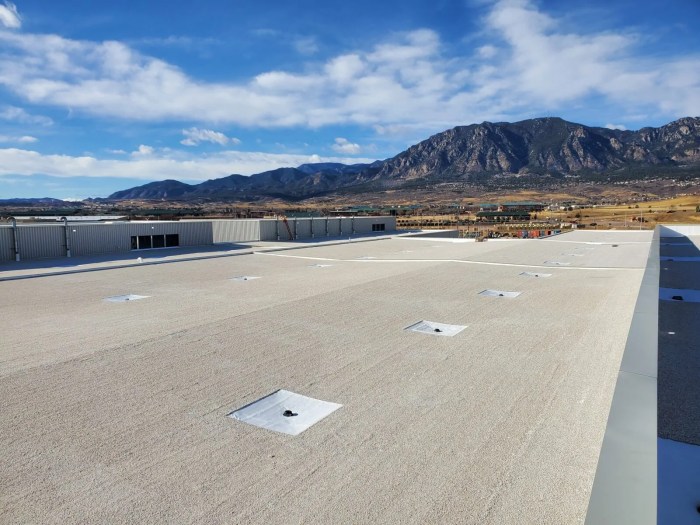
When it comes to pricing industrial roofing systems, there are several key factors that can significantly impact the overall cost. Understanding these factors is crucial for businesses looking to invest in a new roof or repair an existing one.
Materials Impact Pricing
The type of materials used in industrial roofing systems plays a major role in determining the overall cost. High-quality materials such as metal, PVC, or TPO tend to be more expensive upfront but can offer greater durability and longevity, ultimately saving money on maintenance and repairs in the long run.
Installation Complexity in Pricing
The complexity of the installation process can also affect pricing. Factors such as the slope of the roof, access to the site, and any additional structural modifications required can all impact the labor costs involved. More complex installations may require specialized equipment or expertise, contributing to higher overall costs.
Roof Size Influences Overall Cost
The size of the industrial roof is another important factor to consider when pricing roofing systems. Larger roofs require more materials and labor to install, resulting in higher costs compared to smaller roofs. Additionally, larger roofs may have unique design elements or structural considerations that can further influence pricing.
Types of Industrial Roofing Systems
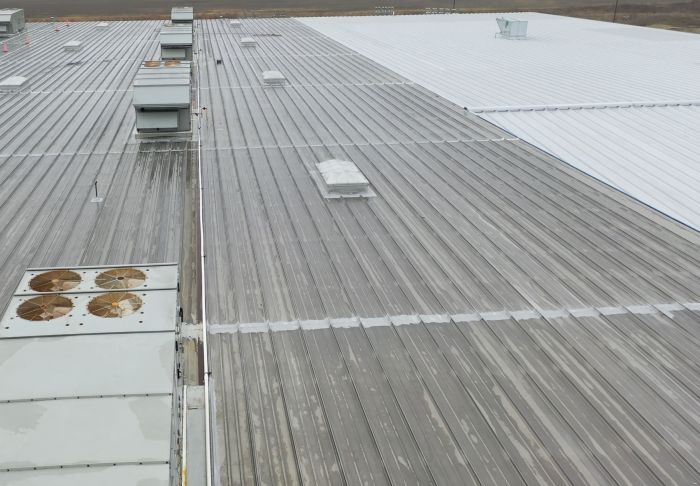
Industrial roofing systems come in various types, each with its own set of characteristics, benefits, and drawbacks. It is crucial to consider the specific needs of a commercial or industrial building when selecting the appropriate roofing material. Below are some examples of common industrial roofing materials, along with a comparison of different roofing system types and their pros and cons.
Metal Roofing
Metal roofing is a popular choice for industrial buildings due to its durability and longevity. Common materials used for metal roofing include aluminum, steel, and copper. Metal roofs are known for their resistance to fire, mildew, and insects. However, they can be prone to denting and can be more expensive than other roofing materials.
Single-Ply Membrane Roofing
Single-ply membrane roofing systems are lightweight and easy to install, making them a cost-effective option for industrial buildings. Materials such as TPO (thermoplastic polyolefin) and EPDM (ethylene propylene diene monomer) are commonly used for single-ply roofing. While these roofs offer good resistance to UV rays and chemicals, they may be susceptible to punctures and tears.
Built-Up Roofing (BUR)
Built-up roofing systems consist of multiple layers of asphalt and reinforcing fabrics, such as fiberglass or polyester. BUR roofs are known for their durability and waterproofing capabilities. However, they can be heavy and may require more maintenance over time compared to other roofing materials.
Modified Bitumen Roofing
Modified bitumen roofing is a type of asphalt-based roofing material that is reinforced with fiberglass or polyester. This roofing system is known for its flexibility and ease of installation. Modified bitumen roofs offer good resistance to extreme temperatures and can be more cost-effective than other roofing options.
However, they may be more prone to punctures and leaks.
Green Roofing Systems
Green roofing systems involve the installation of vegetation and plant life on the roof surface. These systems offer environmental benefits, such as improved insulation and stormwater management. While green roofs can be aesthetically pleasing and energy-efficient, they require regular maintenance and can be more expensive to install initially.
Spray Polyurethane Foam (SPF) Roofing
SPF roofing involves the application of a spray foam material that expands and hardens to form a seamless roofing system. SPF roofs provide excellent insulation and can help reduce energy costs. However, they may require recoating every few years to maintain their performance.
Installation Process for Industrial Roofing Systems
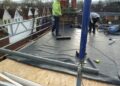
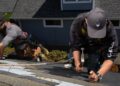
When it comes to installing industrial roofing systems, there are specific steps that need to be followed to ensure a successful and long-lasting roof. Proper installation techniques are crucial in order to prevent leaks, structural damage, and other issues that can arise from a poorly installed roof.
Specialized tools and equipment are often required to complete the installation process efficiently and effectively.
Step 1: Preparation
- Clear the roof surface of any debris or existing roofing materials.
- Inspect the roof deck for any damage and make necessary repairs.
- Ensure proper ventilation and drainage systems are in place.
Step 2: Installation of Roofing Materials
- Apply a waterproof membrane to the roof deck to prevent leaks.
- Install insulation to improve energy efficiency and regulate temperature.
- Place the roofing materials according to manufacturer specifications, whether it's metal panels, single-ply membrane, or another type of roofing system.
Step 3: Sealing and Finishing
- Seal all seams, joints, and penetrations to prevent water infiltration.
- Add any necessary finishing touches, such as flashing and edge details.
- Perform a final inspection to ensure the roof is properly installed and sealed.
Specialized Tools and Equipment
- Roofing nail gun
- Seaming machine
- Roofing adhesive
- Roofing membrane roller
Maintenance and Repair Costs for Industrial Roofing Systems
Proper maintenance and timely repairs are essential for the longevity and performance of industrial roofing systems. Neglecting maintenance can lead to costly repairs down the line. Here, we will discuss typical maintenance tasks, common issues requiring repairs, and tips for cost-effective maintenance practices.
Typical Maintenance Tasks and Associated Costs
Regular maintenance tasks for industrial roofing systems include:
- Inspections to identify any damage or wear
- Cleaning gutters and drains to prevent water buildup
- Sealing any cracks or gaps to prevent leaks
These maintenance tasks can cost anywhere from a few hundred to a few thousand dollars, depending on the size of the roof and the extent of the work required.
Common Issues Requiring Repairs
Common issues that may require repairs for industrial roofing systems include:
- Leaks due to damaged or deteriorated roofing materials
- Ponding water causing structural damage
- Blow-offs during severe weather conditions
Repair costs for these issues can vary widely based on the severity of the damage and the materials needed for the repair.
Tips for Cost-Effective Maintenance Practices
To keep maintenance costs down, consider the following tips:
- Regularly schedule inspections to catch issues early
- Address small problems promptly before they escalate
- Invest in quality materials during installation to reduce the need for frequent repairs
By following these cost-effective maintenance practices, you can prolong the lifespan of your industrial roofing system and minimize repair costs in the long run.
Closing Notes
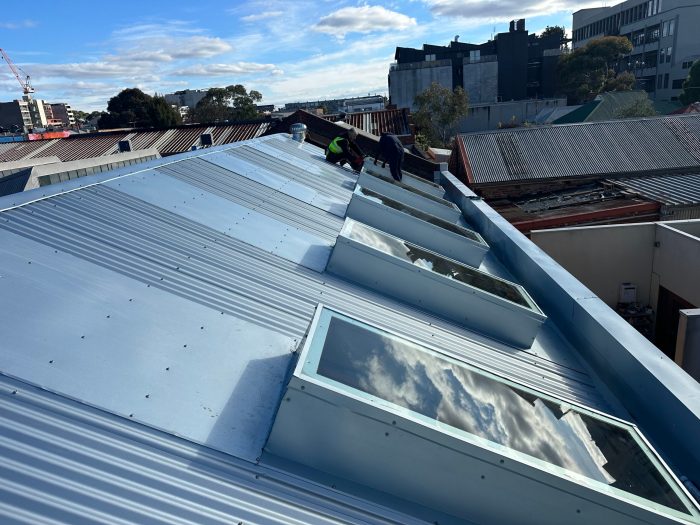
In conclusion, understanding industrial roofing systems pricing is essential for making informed decisions about your roofing needs. By grasping the various factors that come into play, you can navigate the complexities of pricing with confidence and clarity.
User Queries
How do materials impact industrial roofing systems pricing?
Materials play a significant role in determining the cost of industrial roofing systems, with high-quality materials usually leading to higher pricing due to their durability and performance.
What are the common maintenance tasks associated with industrial roofing systems?
Typical maintenance tasks include inspections, cleaning, and repairs of any damage to ensure the longevity and functionality of the roof.
Are specialized tools required for installing industrial roofing systems?
Yes, specialized tools and equipment are often necessary for the proper installation of industrial roofing systems to ensure precision and effectiveness.