
Delve into the world of roof insurance adjuster services with this engaging guide that sheds light on the crucial role they play in the insurance claim process. From assessing damage to communicating findings, discover the ins and outs of this essential service for homeowners.
Overview of Roof Insurance Adjuster Services

Roof insurance adjusters play a crucial role in the insurance claim process, specifically when it comes to assessing damage to a homeowner's roof. Their primary responsibility is to evaluate the extent of the damage and determine the cost of repairs or replacement.
This assessment is vital in ensuring that homeowners receive fair compensation from their insurance company.
Role of Roof Insurance Adjusters
Roof insurance adjusters are tasked with inspecting and documenting the damage to a homeowner's roof. They assess the cause of the damage, whether it be from natural disasters, wear and tear, or other factors. Their evaluation helps insurance companies determine the validity of the claim and the amount of coverage needed for repairs.
Responsibilities of Roof Insurance Adjusters
- Conduct thorough roof inspections to identify all damage.
- Evaluate the extent of the damage and estimate repair costs.
- Provide detailed reports and documentation to support insurance claims.
- Communicate with homeowners to explain the assessment and next steps in the claims process.
Importance of Roof Insurance Adjuster Services
Having a roof insurance adjuster involved in the claims process ensures that homeowners receive the proper reimbursement for roof damage. Their expertise helps in accurately assessing the damage, which can result in a fair settlement from the insurance company. Without their services, homeowners may risk underestimating the damage and not receiving adequate compensation for repairs.
Qualifications and Training
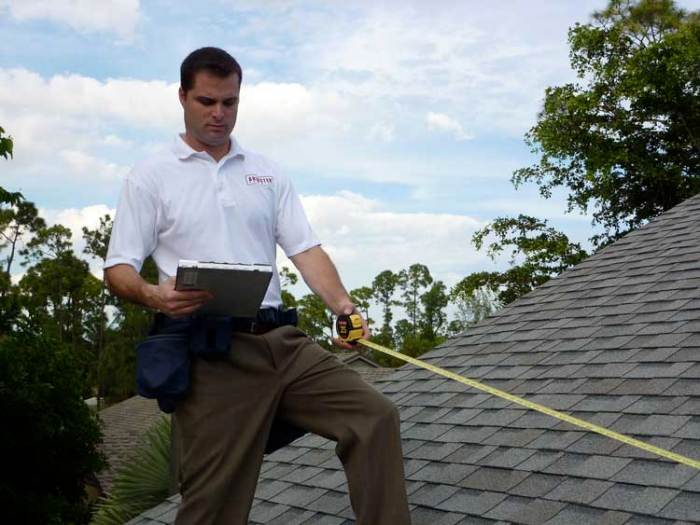
To become a roof insurance adjuster, individuals typically need a high school diploma or equivalent. Some employers may require a bachelor's degree in a related field such as construction management or engineering. Strong analytical skills, attention to detail, and excellent communication skills are also essential for this role.
Training Process
Roof insurance adjusters often undergo on-the-job training or apprenticeships to learn about the specific processes and procedures involved in assessing roof damage. They may also attend training programs or workshops to enhance their knowledge of roofing materials, construction techniques, and insurance policies.
- On-the-job training: Roof insurance adjusters may work alongside experienced professionals to learn the ins and outs of the job, including how to inspect roofs, assess damage, and negotiate with insurance companies.
- Continuing education: Many roof insurance adjusters participate in continuing education courses to stay up-to-date on industry trends, building codes, and insurance regulations.
- Certification programs: There are various certification programs available for roof insurance adjusters, such as the HAAG Certified Inspector program or the National Adjuster Certification program. These certifications can help validate the adjuster's expertise and knowledge in the field.
Assessment Procedures
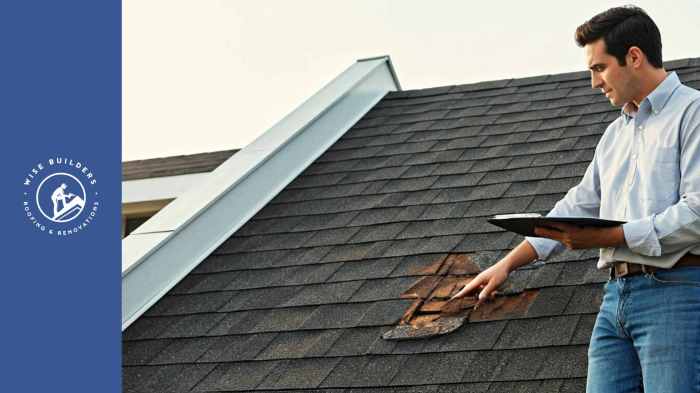
When it comes to assessing roof damage, roof insurance adjusters follow a systematic approach to determine the extent of the damage and estimate repair costs. This involves a thorough inspection of the roof to identify any issues that need to be addressed.
Steps Followed During Roof Inspections
- Visual Inspection: Roof insurance adjusters start by visually inspecting the roof to look for any visible signs of damage such as missing shingles, cracks, or leaks.
- Documentation: They document their findings by taking photos and detailed notes of the damage observed.
- Testing: In some cases, roof insurance adjusters may use tools like moisture meters to test for hidden water damage.
- Estimation: Based on their findings, adjusters estimate the cost of repairs or replacement of the damaged roof.
Tools and Technologies Used During Roof Inspections
- Drones: Roof insurance adjusters may use drones to get a bird's eye view of the roof and assess hard-to-reach areas.
- Moisture Meters: These tools help in detecting moisture levels in the roof structure, indicating potential water damage.
- Infrared Scanners: Infrared technology can be used to identify areas of heat loss or moisture intrusion in the roof.
Determining the Extent of Damage and Estimating Repair Costs
- Damage Assessment: Roof insurance adjusters carefully evaluate the extent of the damage by looking for visible signs and conducting tests if necessary.
- Cost Estimation: By considering the type of damage, materials needed for repairs, and labor costs, adjusters provide an estimate for the repair or replacement of the roof.
- Insurance Guidelines: Adjusters also ensure that their assessment aligns with the guidelines set by the insurance company to accurately determine the coverage for the roof damage.
Communication and Documentation

Effective communication and accurate documentation are crucial aspects of the work of roof insurance adjusters. By conveying findings clearly and maintaining detailed records, adjusters ensure transparency and facilitate the resolution process for both insurance companies and homeowners.
Communication with Insurance Companies and Homeowners
- Roof insurance adjusters must communicate their assessment findings to insurance companies promptly and accurately. This includes providing detailed reports on the extent of damage, necessary repairs, and estimated costs.
- Clear and concise communication with homeowners is essential to ensure they understand the assessment results and the next steps in the claims process. Adjusters should be able to explain technical terms in a way that is easily understood by homeowners.
- Regular updates to both insurance companies and homeowners throughout the assessment process help build trust and maintain open lines of communication.
Importance of Accurate Documentation
- Accurate documentation is vital for supporting the findings of roof insurance adjusters and justifying the recommended course of action. Detailed records help prevent disputes and ensure that all parties involved have a clear understanding of the assessment.
- Documentation serves as a reference point for future claims, providing a comprehensive history of the assessment process and any relevant information that may be needed for follow-up inspections or inquiries.
- Proper documentation also protects adjusters from liability by providing a written record of the assessment findings and the decisions made based on those findings.
Tips for Maintaining Clear Records and Reports
- Organize all documentation systematically, including photos, measurements, notes, and estimates, to ensure easy access and retrieval when needed.
- Use a standardized format for reports to maintain consistency and clarity in conveying information to insurance companies and homeowners.
- Include all relevant details in reports, such as the date of assessment, weather conditions, materials used, and any other factors that may impact the evaluation of the roof's condition.
- Review and double-check documentation for accuracy and completeness before submitting reports to ensure that all essential information is included.
Closing Summary
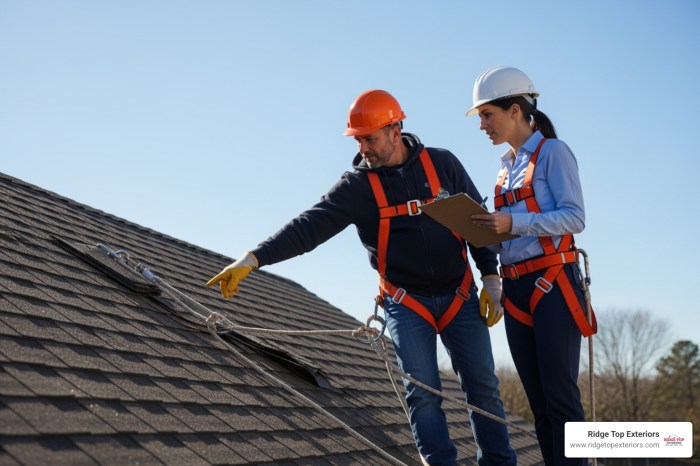
In conclusion, roof insurance adjuster services are pivotal in ensuring accurate assessments and fair settlements for homeowners. With their expertise and dedication, these professionals provide a valuable service that brings peace of mind to those facing roof damage.
Questions Often Asked
What qualifications are needed to become a roof insurance adjuster?
To become a roof insurance adjuster, individuals typically need a background in construction, insurance, or a related field. Specific requirements may vary by employer.
How do roof insurance adjusters determine the extent of damage?
Roof insurance adjusters use a combination of visual inspections, tools like drones or satellite imagery, and data analysis to assess roof damage accurately.
What certifications can roof insurance adjusters obtain?
Roof insurance adjusters can pursue certifications such as HAAG Certification or Xactimate training to enhance their skills and credibility in the field.